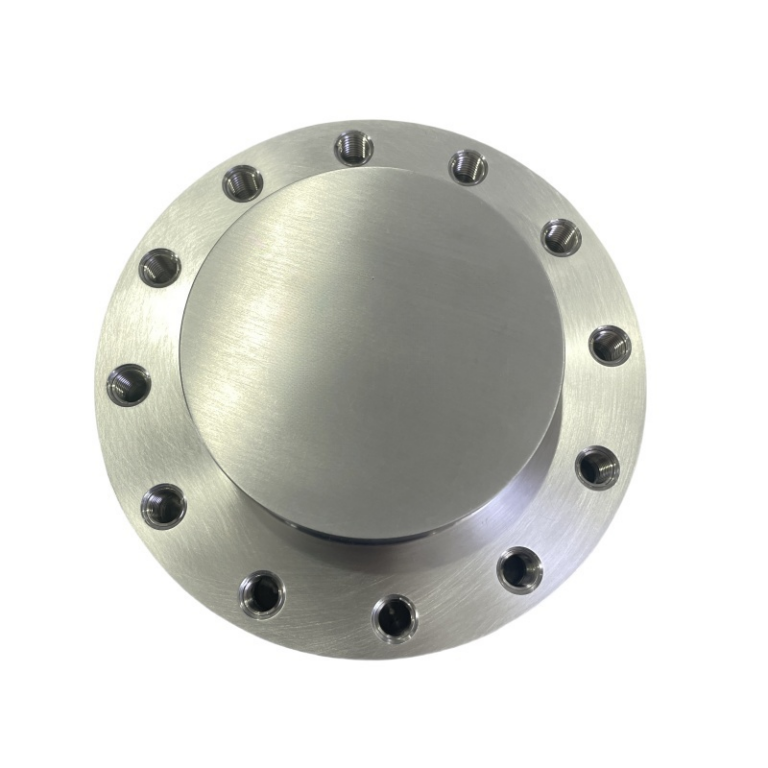
Metal corrosion causes more than $2.5 trillion in global economic losses yearly, and surface treatment technology plays a key role in this protracted war. Galvanizing and nickel plating are the two most widely used protection processes. Their corrosion resistance differences are not only due to the characteristics of the materials themselves but also subject to the underlying logic of the protection mechanism. In industrial practice, choosing a suitable protection solution requires going beyond simple performance comparison and deeply understanding the protection principles and applicable boundaries of the two.

What is galvanizing?
Galvanizing is a widely used metal finishing process that involves depositing a thin layer of zinc on the surface of a metal object. This process not only enhances the appearance of the metal but also provides an important layer of protection against corrosion and wear.
The basic steps of the galvanizing process are as follows:
Surface cleaning: The first step is to clean and prepare the surface of the metal object. This usually involves degreasing, descaling, and pickling the surface to remove any contaminants or existing coatings.
Activation: The cleaned surface is then immersed in an acidic solution to activate it, creating a receptive surface suitable for the zinc coating.
Plating: The metal object is then immersed in a zinc-containing electrolyte, which acts as a plating bath. An electric current is then applied, causing the zinc ions in the solution to be reduced and deposited on the surface of the object.
Passivation: Depending on the specific application, galvanizing may be followed by a passivation step. This involves treating the zinc coating with chromate or other conversion coatings to further enhance its corrosion resistance.
Rinse and dry: Finally, the plated object is rinsed to remove any residual chemicals and then dried to complete the galvanizing process.
Features of Galvanizing
Corrosion Resistance
Zinc is a sacrificial metal, meaning it corrodes more easily than the underlying metal, effectively protecting the underlying metal from the elements. This makes galvanizing an excellent choice for applications that need to be protected from environmental factors such as moisture, salt, and chemicals.
Electrical Conductivity
Galvanizing has good electrical conductivity, making it suitable for use in electrical components and circuits where the flow of electrical current is critical.
Galvanic Compatibility
Zinc is compatible with many other metals and forms a galvanic couple that helps prevent corrosion of the underlying metal. This is especially beneficial when joining dissimilar metals.
Cost Effectiveness
Galvanizing is a relatively inexpensive option compared to other metal finishing techniques, making it a popular choice for various industries and applications.
Aesthetic Appeal
Galvanizing can provide a smooth metal surface that enhances the overall appearance of the coated object, making it an attractive choice for decorative or aesthetic applications.
Advantages of Galvanizing
- Galvanizing provides excellent protection against corrosion, ensuring the longevity of the coated metal.
- The smooth surface of the zinc coating enhances lubricity in moving parts, reducing friction and wear.
- It is relatively low maintenance, and any scratches or damage can be easily repaired by applying additional zinc.
- Zinc is a naturally occurring, renewable resource, making galvanizing an environmentally friendly choice.
- Galvanizing can be applied to a wide variety of metals, including steel, iron, and even some non-ferrous alloys.
Disadvantages of Galvanizing
- While galvanizing offers good corrosion resistance, it has relatively low wear resistance.
The electroplating process used for galvanizing can sometimes lead to hydrogen embrittlement, which compromises the structural integrity of the underlying metal.
- Nickel plating is another widely used metal finishing technique, where a thin layer of nickel is applied to the surface of a metal object. This process not only improves the appearance of the underlying metal but also provides a range of functional benefits, making it a popular choice across industries.

How Nickel Plating Works:
The basic steps of the nickel plating process are as follows:
Surface Cleaning: Similar to zinc plating, the first step of nickel plating is to clean and prepare the surface of the metal object. This may involve degreasing, descaling, and pickling to ensure a clean, easy-to-handle surface.
Activation: The cleaned surface is then activated, usually using an acidic or alkaline solution, to create a surface that is conducive to nickel deposition.
Electroplating: The metal object is then immersed in a nickel-containing electrolyte, which acts as a plating bath. An electric current is applied, causing the nickel ions in the solution to be reduced and deposited on the surface of the object.
Whitening: Depending on the desired surface effect, nickel plating can be followed by a brightening step. This involves adding specific brighteners to the plating bath, which helps create a shinier, more mirror-like appearance.
Rinse and Dry: Finally, the plated object is rinsed to remove any residual chemicals and then dried to complete the nickel plating process.
Features of Nickel Plating
Hardness and Wear Resistance
Nickel plating is known for its excellent hardness and wear resistance, making it an excellent choice for applications where durability and longevity are critical.
Corrosion Resistance
Nickel plating forms a protective barrier that helps protect the underlying metal from the damaging effects of corrosion, ensuring the longevity of the coated object.
Aesthetic Appeal
Nickel plating can provide a smooth, shiny surface that enhances the visual appeal of the coated object, making it a popular choice for decorative and aesthetic applications.
Electrical Conductivity
Nickel plating has good electrical conductivity, making it suitable for use in electrical components and circuits.
Thermal Conductivity
Nickel plating also has good thermal conductivity, which is useful in applications where heat dissipation is a concern.
Advantages of Nickel Plating:
- The excellent hardness and wear resistance of the nickel plating make it an excellent choice for applications that require a durable and long-lasting finish.
- It forms a protective barrier that effectively shields the underlying metal from the damaging effects of corrosion.
- It can be polished to a mirror finish, providing a smooth and attractive appearance.
- The smooth surface of nickel plating can enhance the lubricity of moving parts, reducing friction and wear between the objects.
- Nickel plating can be used for a variety of metal materials, including steel, brass, and copper.
Disadvantages of nickel plating
Some people may be allergic to nickel, which can cause skin irritation or other adverse reactions.
The nickel plating process produces hazardous waste that requires proper disposal and treatment, making it a less environmentally friendly option.
Galvanizing vs. Nickel Plating: How to Choose?
When deciding whether to choose zinc or nickel plating, it is important to carefully consider the specific requirements of your project and the desired results.
If your application requires special protection against environmental factors, such as moisture, salt, or chemicals, zinc plating may be a better choice due to its sacrificial nature and strong corrosion resistance.
If your application involves high-friction or high-wear conditions, the superior hardness and wear resistance of nickel plating may be a more appropriate choice to ensure the longevity of the coated object.
If the visual appeal of the coated object is a primary consideration, the smooth, shiny surface of nickel plating may be preferred, especially in decorative or aesthetic applications.
If your application involves electrical or thermal management, the enhanced electrical and thermal conductivity of nickel plating may make it a more suitable choice.
If environmental sustainability and cost-effectiveness are key factors, zinc plating may be a better choice because it is generally more environmentally friendly and cost-effective than nickel plating.
DMTC has a thorough understanding of various metal materials. Whether it is nickel plating or zinc plating, we can help you analyze your requirements and make the best choice. If you have any questions or ideas, please email us: susan.yu@szdmtc.com