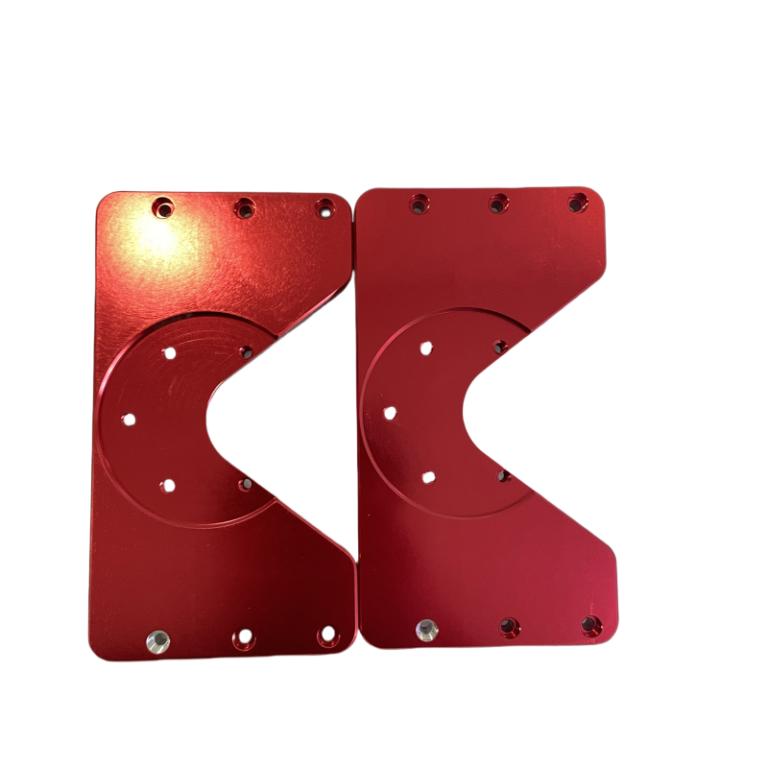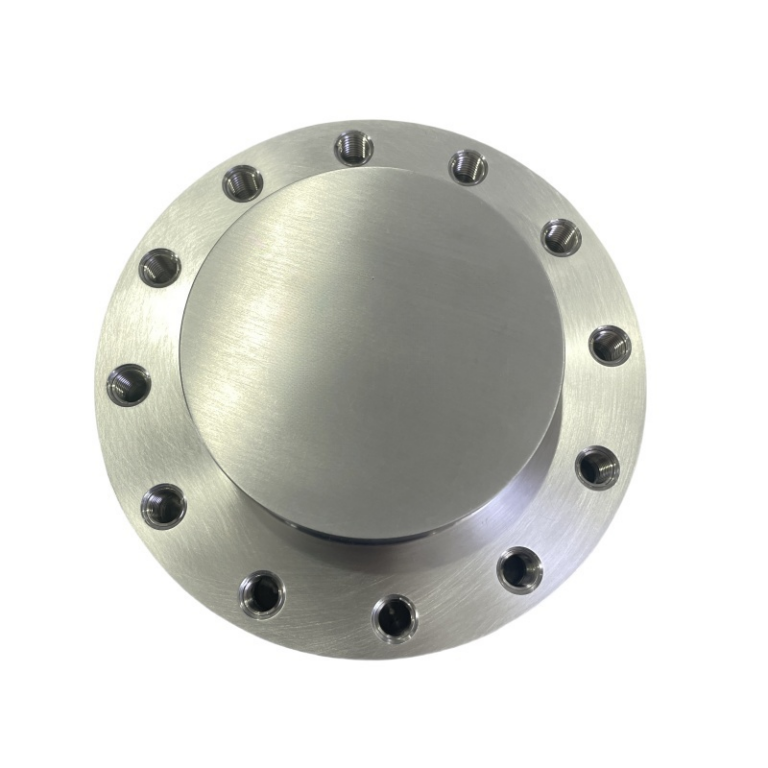
In product design, texture is commonly used, and the product appearance design is diverse, texture is one of the factors that affect the degree of product appearance. Different textures can bring different styles and feelings, so what are the commonly used surface texture implementation techniques?

What is surface texture?
Surface texture is a surface property defined by three characteristics: laying, surface roughness, and corrugation. It includes slight local deviations from the perfectly flat ideal (real plane).
Each manufacturing process (such as multiple machining) produces a surface texture. This process is usually optimized to ensure that the generated texture is available. Sometimes, an additional procedure may be added to modify the initial texture. The latter process can be grinding, sandblasting, milling, chemical etching, laser engraving, and other processes.
Common surface texture categories:
- Frosted surface: formed by sandblasting, chemical etching, and other methods, the surface shows a uniform roughness and is often used for anti-slip or decoration.
- Brushing texture: formed by the mechanical wire drawing process, the surface presents parallel fine lines with a unique visual effect.
- Etching texture: It is formed by chemical or laser etching, and complex patterns or text can be created.
- Embossed texture: formed by mold pressing, the surface has uneven patterns, which are often used for decoration or increased friction.
There are many processes to achieve metal appearance textures and they are widely used in industrial design, electronic products, automobile manufacturing, etc. The following are common implementation processes and their characteristics:

6 Common Implementation Techniques for Metal Surface Texture
- Embossing
Metal embossing is applied on the metal plate through mechanical equipment, causing concave and convex patterns on the plate surface.
When rolling embossed metal sheets, they are rolled with patterned working rollers. The working rollers are usually processed with erosion liquids. The depth of concave and convexity on the plate varies depending on the pattern, and the minimum can reach 0.02-0.03mm. After continuous rotation and rolling by the working roller, the pattern repeats periodically, and the length direction of the fabricated embossed plate is basically not limited.
Currently, metal-embossed panels are suitable for decorating elevator cars, subway cars, various cabins, building decorations, metal curtain walls, and other industries. It has the advantages of being durable, wear-resistant, visually beautiful, easy to clean, anti-fight, compressive, and scratch-resistant.
- Metal wire-drawing
The metal wire drawing process can clearly show every subtle wire mark, which will give the metal matte a fine hair luster, and the product is both fashionable and technological. Wire drawing can be made into straight lines, messy lines, threads, corrugated lines, and rotary lines according to decorative needs.
Straight grain: Wire drawing refers to the processing of straight marks on the surface of aluminum plates by mechanical friction.
Wild grain: Wire drawing is a kind of matte silk pattern without any obvious patterns obtained by moving the aluminum plate forward, backward, left, and right under a high-speed copper wire brush.
Thread: It is a small motor equipped with circular felt on the shaft, fixed to the tabletop at an angle of about 60 degrees to the edge of the table, and a drag plate with a fixed aluminum plate pressed tea is also made. A polyester film with straight edges is pasted on the drag plate to limit the thread competition.
Corrugation: It is generally made on a brushing machine or a rubbing machine. Using the axial movement of the upper group of grinding rollers, brushing on the surface of aluminum or aluminum alloy plates is obtained to obtain a wave pattern.
Rotary pattern: It is a silk pattern obtained by rotating and polishing the surface of aluminum or aluminum alloy plates using cylindrical felt or grinding nylon wheels on the drilling machine, blending kerosene with polishing paste. It is often used in the decorative processing of circular signs and small decorative dials.

- Laser engraving
CNC technology is used as the basis, and the laser is used as the processing medium. The instant melting and gasification of metal materials under laser irradiation can achieve the purpose of processing. Using laser engraving technology through laser engraving machines, vectorized graphics and text can be easily “printed” onto the processed substrate.
- Metal etching
Also known as photochemical corrosion. After exposure and development, the protective film on the pattern area to be etched is removed, and the chemical solution is contacted during metal etching so as to dissolve corrosion and form concave and convex or hollow molding. For general consumer products, the patterns or text logos on aluminum plates are often made by etching. In addition, etching is often used to make various metal horn mesh parts.
- Metal ironing
It refers to the transfer of the hot stamping foil to the surface of the printing material by heating and pressurization using a special metal hot stamping plate. The ironing of metal substrates requires the proprietary metal stamping film, or after spraying the surface of the substrate, the ironing film is adhered to. Since the hot stamping foil has diverse characteristics, the metal substrate can also be quickly and diversified, and surface hot stamping processing is more environmentally friendly to achieve our original design intention.
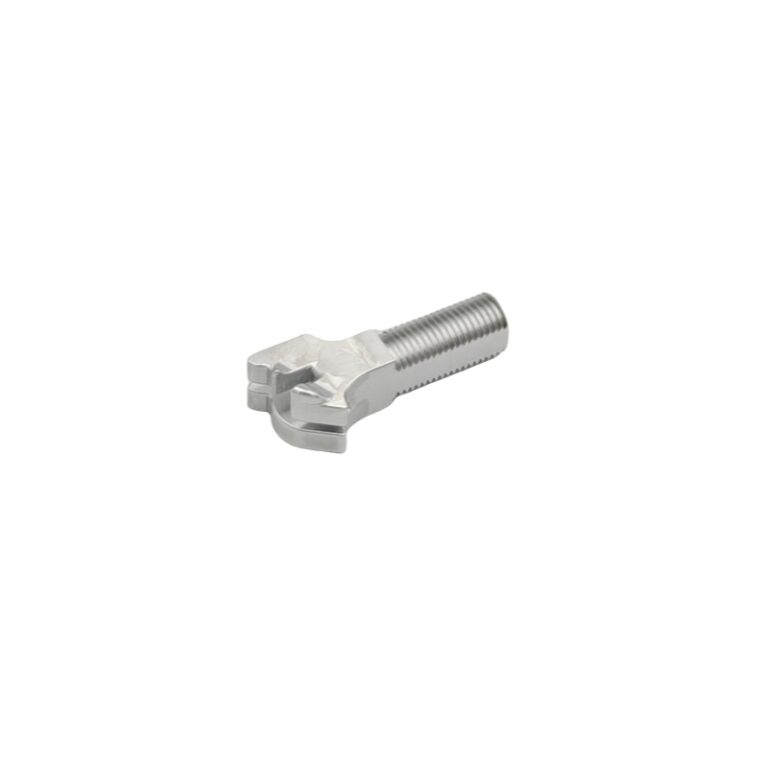
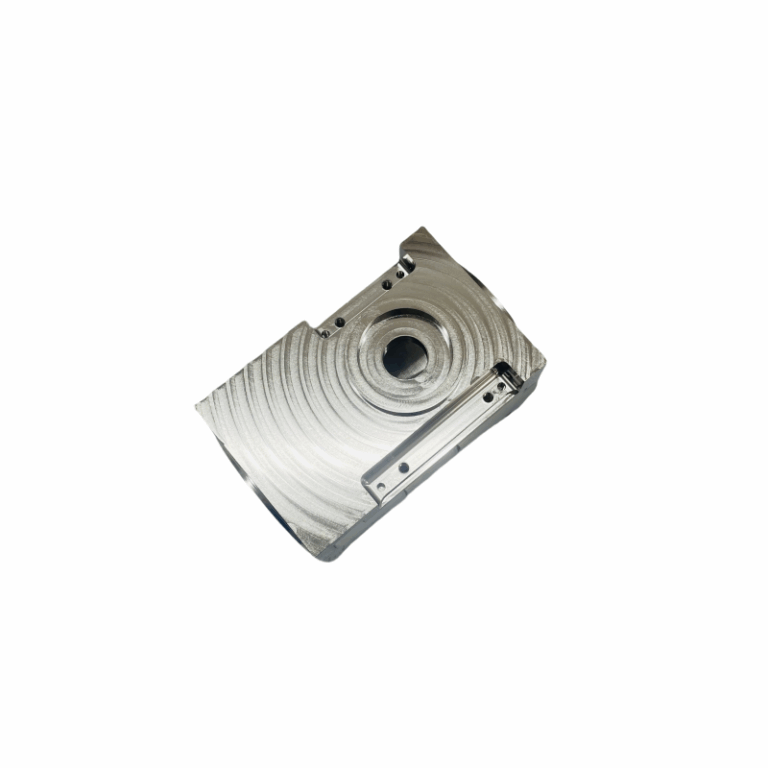
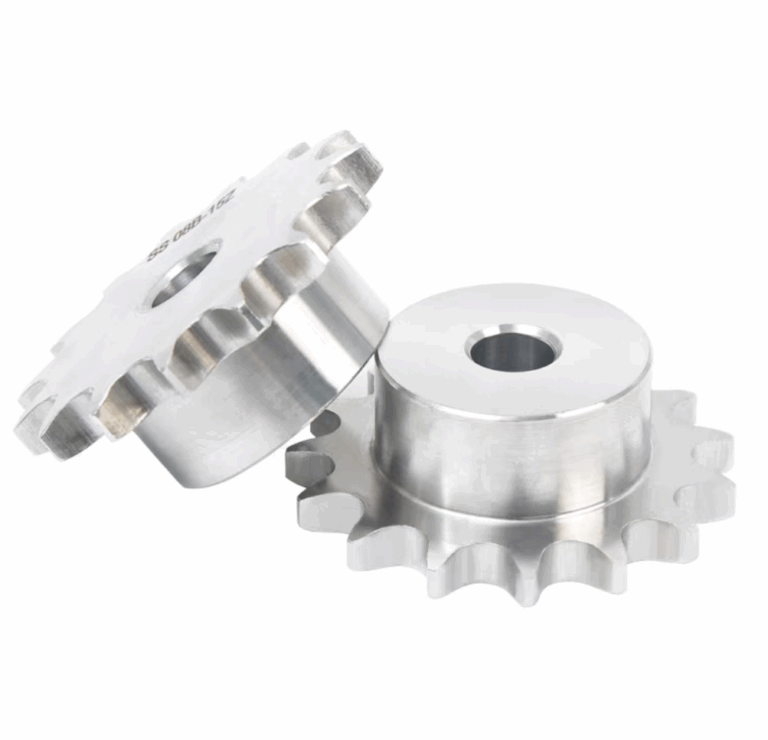
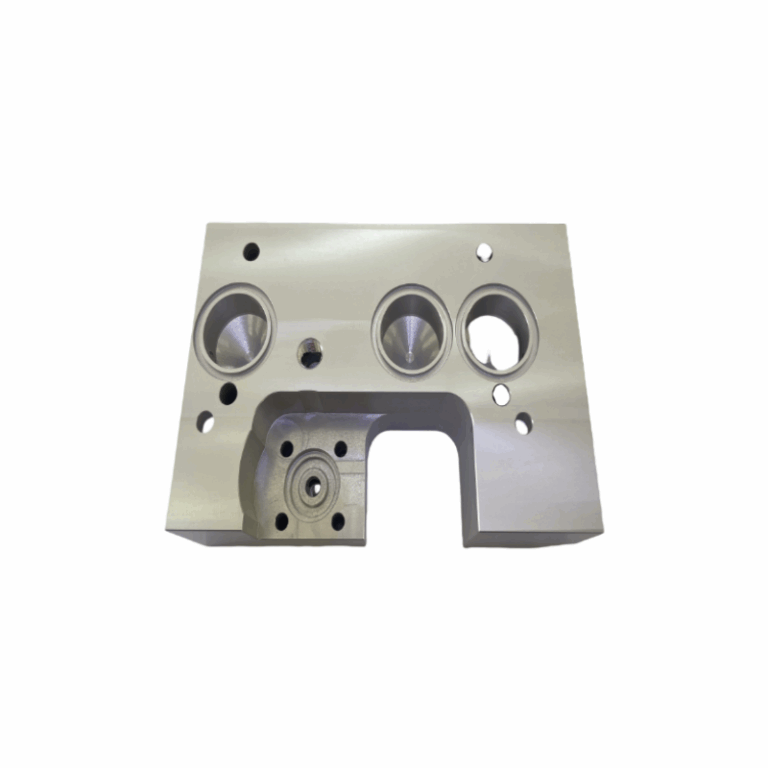
- CNC Machining
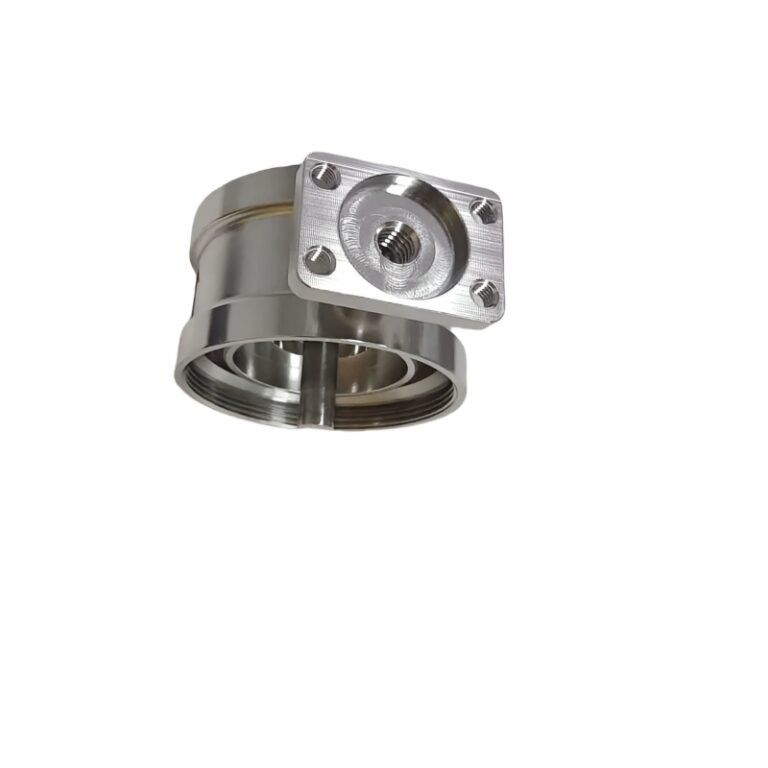
CNC machining is programmed by the CNC machine tool through the CNC machining language to control the feed speed and spindle speed of the machining tool, as well as the tool converter, coolant, etc., in order to physically process the substrate surface. CNC machining has great advantages over manual machining, such as the parts produced by CNC machining are very accurate and repeatable; CNC machining can produce parts with complex shapes that cannot be completed by manual machining.
Conclusion
Surface texture is very important in mechanical manufacturing because it determines the final presentation effect of the product, not only improving the aesthetics of the product but also improving the mechanical properties of the product. Different products need to choose suitable surface treatment processes according to their own characteristics.
DMTC is your reliable partner in providing high-quality, durable, and beautiful products. We offer over 10 surface treatments. Our dedicated and skilled team of mechanics carefully manufactures components from a variety of industries to meet the exact requirements of our customers. We have worked in this industry for 15 years and our service scope has covered more than 50 countries. Our services include rapid molding, custom manufacturing, and mass production of parts. We are always ready to share knowledge and meet all your machining needs. Contact us! Turn your ideas into reality in the most cost-effective way today.