Titanium and aluminum are two common metals that people are very familiar with, but many people don’t know what the difference is between titanium and aluminum. In fact, there’s a big difference. By appearance, they can be distinguished, and the prices of the two are not the same. This article details more on this topic.
What is titanium?
Titanium is a silver-white excessive metal, which is characterized by lightweight, high strength, strong corrosion-resistance, and metallic luster, it has good high-temperature resistance, low- temperature resistance, strong acid resistance, strong alkali resistance, and high strength, low density, often used in the manufacture of rockets and spacecraft, it is known as “space metal”. Titanium is widely distributed in nature, titanium metal content accounts for the seventh place, second only to aluminum, iron, calcium, potassium, sodium, and magnesium.
Titanium has very good performance and is widely used. Its application fields are mainly: aerospace, ship manufacturing, transportation, weapons, marine, electricity, construction, metallurgy, medical, sports equipment, living supplies, and light industry.
What is aluminum?
Aluminum is a silver-white light metal, that has good electrical conductivity and ductility, and the density of aluminum is very small.
The content of aluminum in the Earth’s crust is second only to oxygen and silicon, and it is the most abundant metal element in the Earth’s crust, ranking third. It is widely used in the three important industries of aviation, construction, and automobiles.

Titanium and aluminum characteristics
| Feature: | Titanium | Aluminum |
| Composition | Titanium contains hydrogen, nitrogen, oxygen, carbon, and so on. | Aluminum contains silicon, zinc, magnesium, manganese, copper, iron, titanium and so on. |
| Weight | Heavier than aluminum | Lighter than titanium |
| Hardness number | 70 HB | 15 HB |
| Melting point | 1650 – 1670°C | 660.37°C |
| Color | Silver, dark in the light | The silver-white appearance varies from dull to gray. |
| Heat conductivity coefficient | Low thermal conductor | High thermal conductivity |
| Cost | expensive | more economically. |
How are the titanium and aluminum alloys different?
1· Material nature
Aluminum alloy is an alloy material composed of aluminum, copper, magnesium, manganese, and other elements. It has the characteristics of light quality, high strength, and good corrosion resistance. The density of aluminum alloy is about 2.7g/cm³, which is about one-third lighter than steel, but the strength can be comparable to ordinary steel.
Titanium alloy is an alloy material composed of titanium, aluminum, zinc, copper, and other elements. It has extremely high strength and toughness, excellent corrosion resistance, high-temperature stability, and biocompatibility. The density of titanium alloy is about 4.5g/cm³, which is about twice as much as aluminum alloy, but the strength and stiffness are higher than that of aluminum alloy.
2· Application field
Because aluminum alloy has the characteristics of light quality, high strength, good corrosion resistance, etc., it is widely used in the fields of aerospace, automobiles, electronics, architecture, and other fields. For example, the body of the aircraft, the body of the car, the engine, and the shell of the mobile phone can be made of aluminum alloy materials.
Titanium alloys are widely used in the fields of aerospace, medicine, chemical, ocean, and other fields due to their high strength, high toughness, good corrosion resistance, high-temperature stability, and biocompatibility. For example, the turbine blades, artificial joints, and submarine shells of fighter jets can be made of titanium alloy materials.
3· Cost
Aluminum alloy is a relatively cheap material because aluminum resources are rich and easy to process.
Titanium alloy is a highly cost-effective material, because titanium resources are scarce and difficult to process, and high-cost production technology is required.
4· Processability
Aluminum alloy has good processability and can be processed into various shapes through various methods such as die casting, squeezing, and forging.
The processability of titanium alloy is poor, and it is necessary to process various shapes through complex processing processes under high temperatures and high pressure.
5· Color
Aluminum alloy has good surface treatment performance. It can create various colors of surface surfaces through oxidation, spraying, and other methods, thereby meeting the needs of different customers.
The titanium alloy usually presents silver-gray or metallic colors, and cannot change the color through surface treatment.
In summary, although aluminum alloy and titanium alloy are alloy materials, they are significantly different in terms of material nature, application field, cost, processability, and color. When selecting materials, you need to choose the appropriate materials according to the specific application scenarios and requirements.

Advantages and disadvantages of titanium and aluminum:
Titanium:
Advantage:
- -The excellent intensity weight ratio, provides high strength and reduces weight.
- -Excellent corrosion resistance makes it ideal for Marine and chemical applications.
- -Opered heat resistance can be used in high-temperature environments.
- -The biocompatibility promotes its use in medical implants and has low rejection risks.
- -The high fatigue intensity to ensure durability and life in various applications.
Disadvantage:
- -The cost of raw materials and production technology is high.
- -The elastic modulus is low, which limits its application in the bearing structure.
- -The difficulty in welding requires special technology and equipment.
- -The raw material supply is limited, leading to potential supply chain challenges.
- -The surface is easy to scratch and wear, and additional protection measures are required.
Aluminum:
Advantage:
- -Alble, can achieve weight loss in various industries.
- -Opered corrosion resistance and durability and service life in outdoor applications.
- -Opered thermal conductivity is conducive to efficient heat dissipation.
- -The high-conductivity, means that it can be used for conductors.
- -The height can be formed, providing versatility in the manufacturing process.
Disadvantage:
- -Compared with titanium and other metals, the strength is low, which limits the bearing capacity.
- -In specific environments, stress corrosion and cracking occur.
- -The melting point is low, and you need to consider it carefully in high-temperature applications.
- -Enerized-intensive production process makes power costs an important factor.
- -It hardness and alloyization to enhance certain performance.
Choose aluminum or titanium to make parts
Titanium and aluminum are two famous lightweight materials, with various advantages and characteristics. Titanium has unique strength, corrosion resistance, and thermal stability, while aluminum is known for its lower cost, higher thermal conductivity, and easier processing process. Aluminum is more economical than titanium. However, titanium is usually used in the case of higher intensity weight ratios, and aluminum is preferred when low budget and higher thermal conductivity are required.
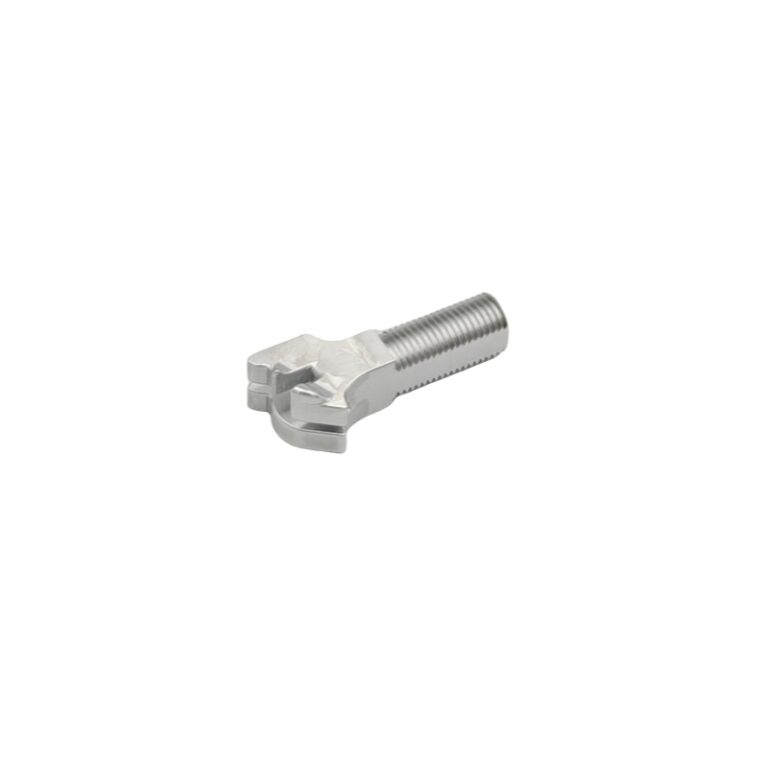
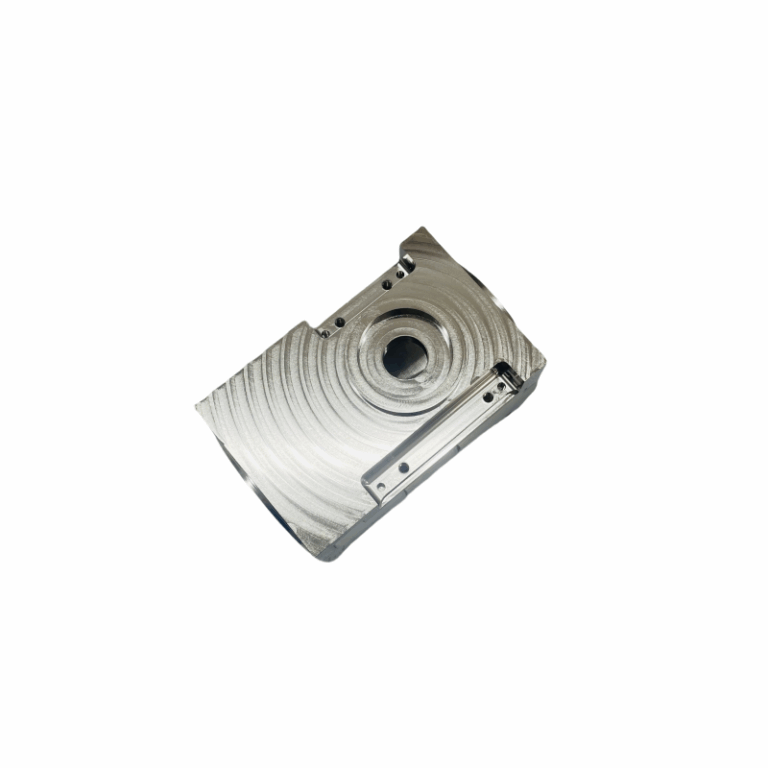
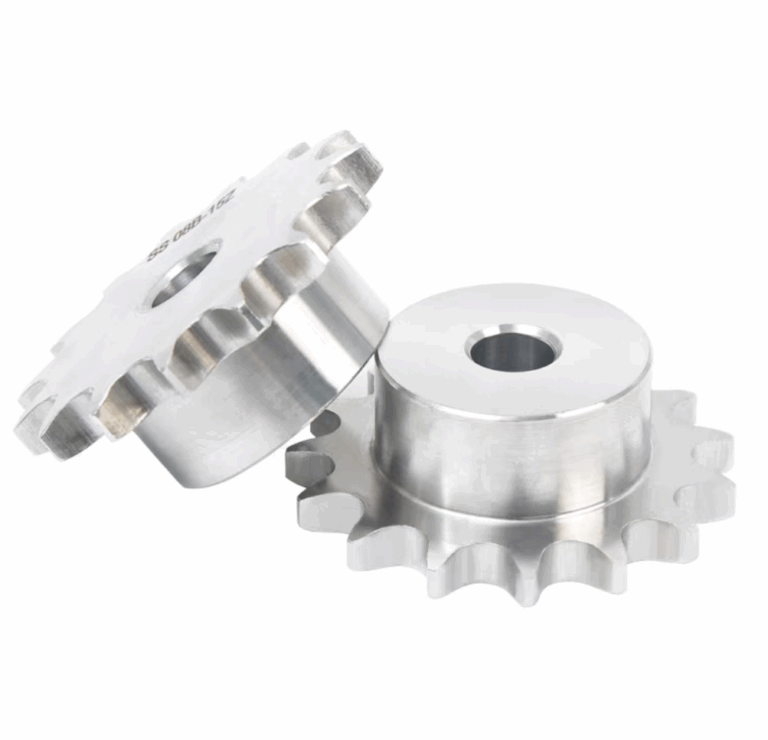
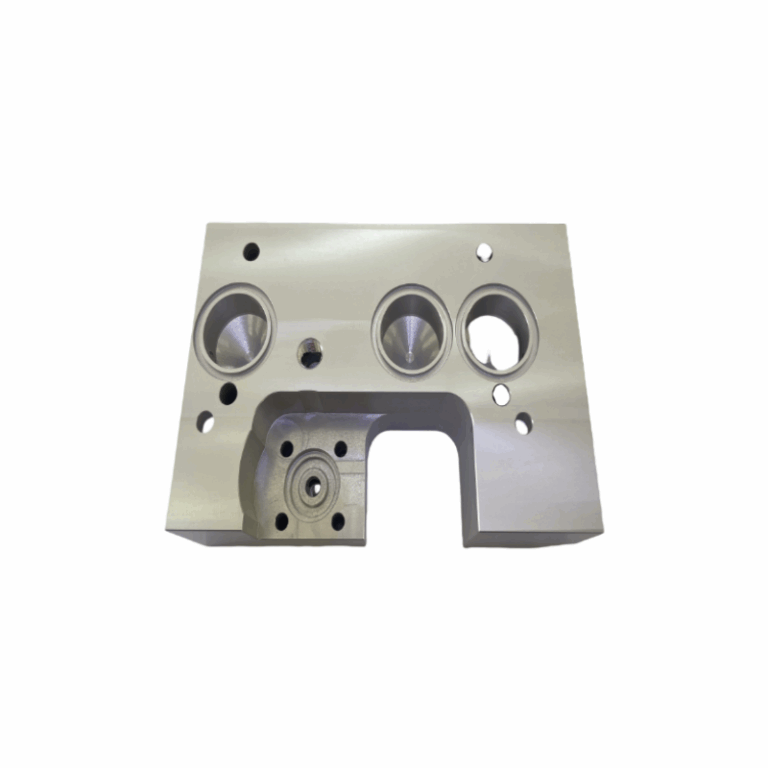
Aluminum and titanium parts processed through DMTC
DMTC is a leading supplier to provide titanium processing services for the aerospace and medical industries. We have more than 15 years of experience in processing aluminum, titanium, and other special materials. We have the most advanced precision machines and technical engineers and can produce parts with strict tolerances and complex geometric shapes.
DMTC has passed the ISO 9001 and IATF16949 certification. Our quality management system has received the support of the experienced quality control inspector team. We also provide various value-added services, including assembly, packaging, and transportation to help customers save time and money.
Please contact us immediately to understand more information about our aluminum and titanium processing capabilities or provide a quotation for your project.