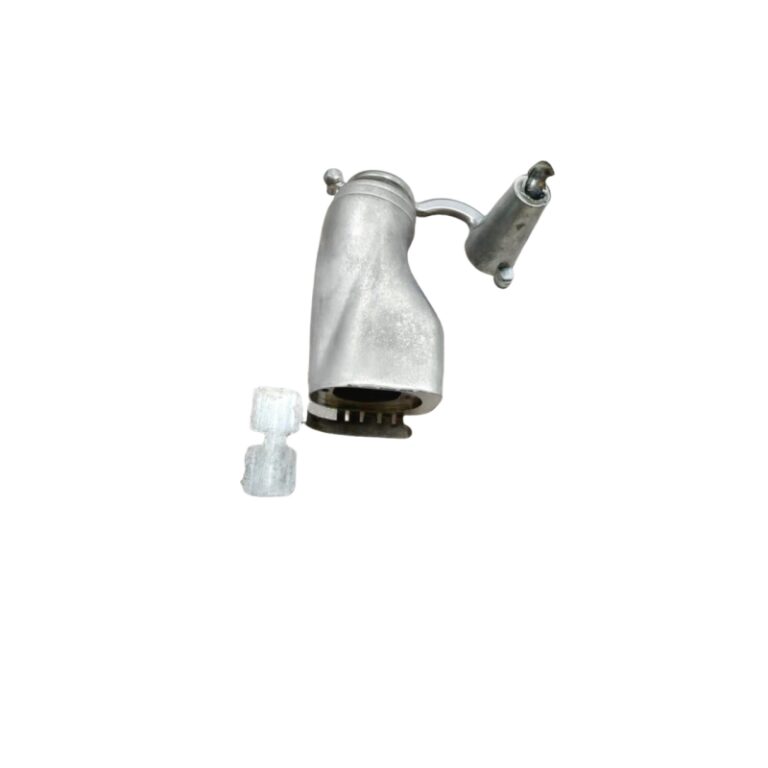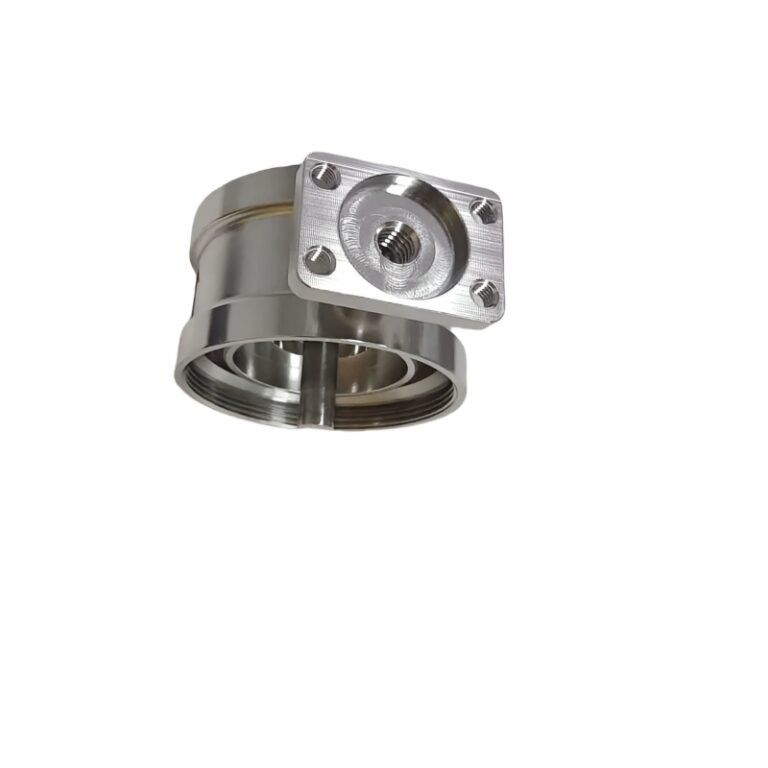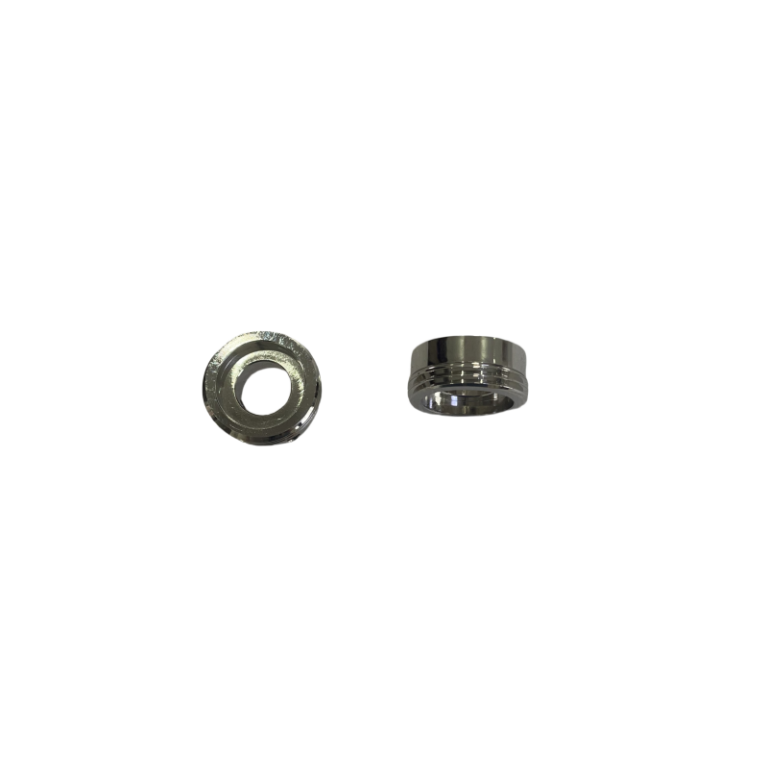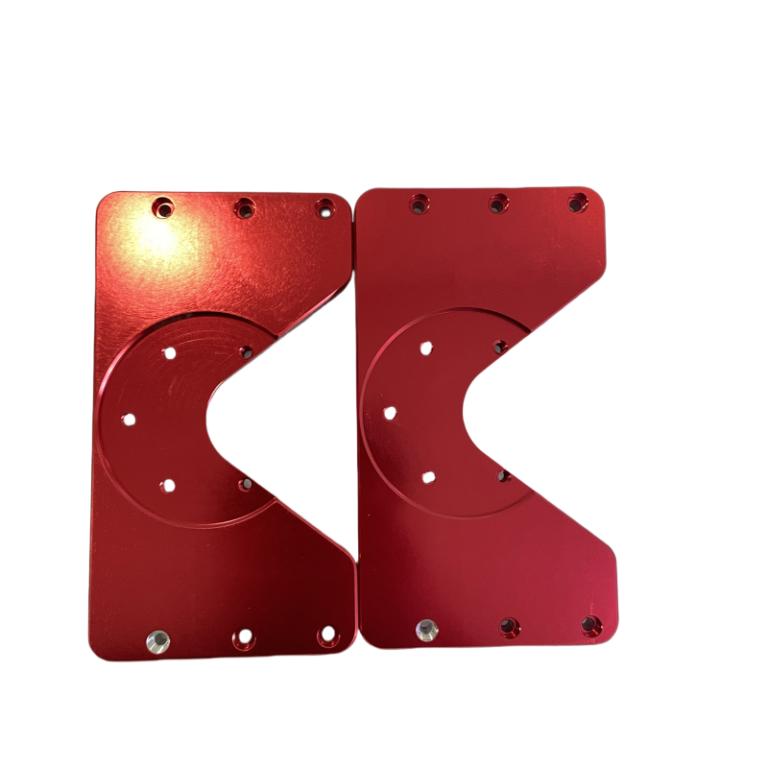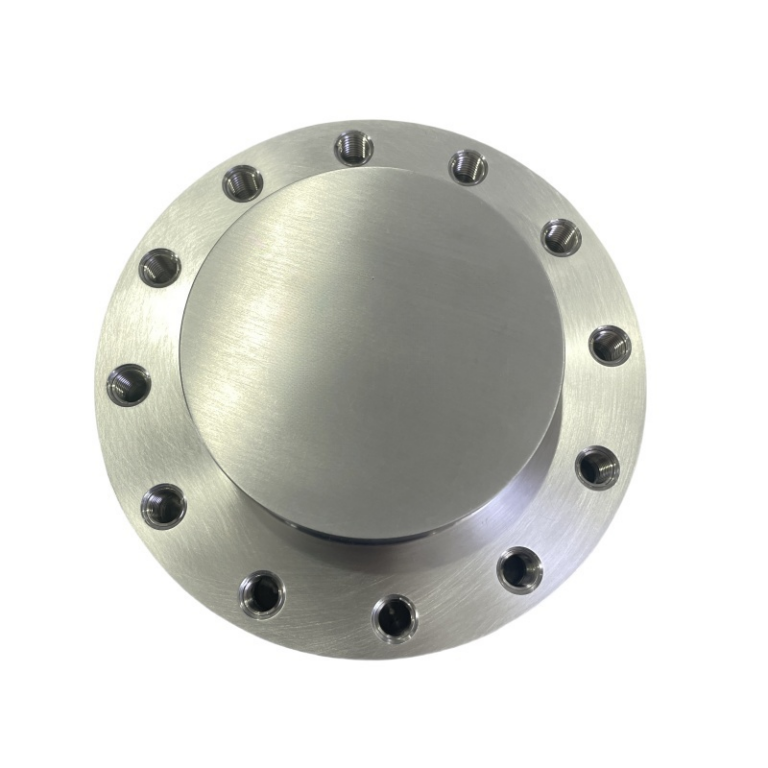
Brass is a common machining material. It is made of copper and zinc. Brass composed of copper and zinc is called ordinary brass, and if it is composed of more than two kinds of alloys, it is called special brass. There are high hardness, strong wear resistance, and corrosion resistance. Therefore, it is often used in various fields such as ship manufacturing, machinery manufacturing, home appliances, and kitchenware manufacturing.
According to the chemical composition of copper, it is divided into a variety of different brass grades. Different brass grades have different properties and are suitable for different application areas.

The characteristics and application range of brass grades
H96 brass
H96 brass is composed of 96% copper and 4% zinc alloy. H96 brass has good hot and cold machining performance. It is suitable for stamping, pulling, forging, and other processing methods. It has high corrosion resistance. H96 brass is generally used in currencies, souvenirs, heat sinks, conductive devices, etc.
H90 brass
H90 brass is composed of 90% copper and 10% zinc alloy. H90 brass has good mechanical performance and hot and cold pressure processing performance. It is basically the same as H96. It has good corrosion resistance, H90 brass is generally used in decorations, medals, ship components, rivets, sewer pipes, etc.
H85 brass
H85 brass is composed of 85% copper and 15% zinc alloy. H85 brass has good mechanical properties and corrosion resistance, excellent cold processing performance, and good thermal formability. H85 brass is widely used in building decoration, micro-chapter, ripple tubes, condenser and heat exchanger tubes, cooling equipment, and other industries.

H70 brass
H70 brass is composed of 70% copper and 30% zinc. H70 brass has high plasticity, high strength, good cold molding, easy to weld, and good corrosion resistance, H70 brass is widely used in signs, reliefs, musical instruments, house building supplies, etc.
H68 brass
H68 brass is composed of 68% copper and 32% zinc. H68 brass has good plasticity high strength, good cutability, easy to weld, corrosion resistance, and good hot and cold processing performance. H68 brass is widely used in various cold-rushing parts, radiator shells, doors, lamps, etc.
H65 brass
H65 Brass is composed of 65% copper and 35% zinc. H65 brass has adequate mechanical properties and process performance. The hot and cold pressure processing performance is good, and the color is golden. It is widely used in various hardware products, lighting, pipeline accessories, zippers, rivets, etc.
H63 brass
H63 Brass is composed of 63% copper and 37% zinc. H63 brass has sufficient mechanical properties, good thermal pressure processing performance, and average erosion resistance. H63 brass is generally used in various shallow parts, ship pipeline parts, planet, etc.
H62 brass
H62 Brass is composed of 62% copper and 38% zinc. H62 brass has high strength, good thermoplasticity, is easy to weld, and has good corrosion resistance. It is applied to various nails, nuts, cushions, radiators, ship industry, papermaking industry parts, etc.
H59 brass
H59 Brass is composed of 59% copper and 41% zinc. It has sufficient mechanical properties and can withstand very well with hot stress processing, and the erosion resistance is average. H59 brass can be applied in the fields of ship manufacturing, automobile parts, building decoration, watch parts manufacturing, etc.
The brass grade is a logo for the brass materials used to identify different ingredients and performance. DMTC adopts CNC machining to process various brass parts precisely according to market demand, which can meet customers’ different needs. In industrial production, the surface of brass parts is prone to oxidation and corrosion. So how to prevent brass parts from rusting?
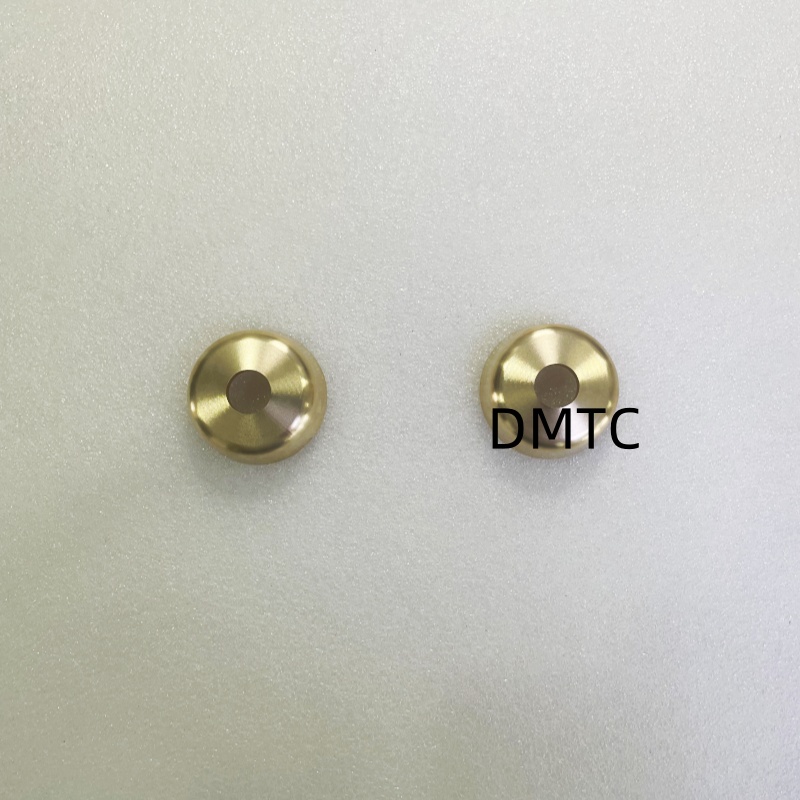
Brass parts passivation protection:
Washed the brass parts cleaned and immersed in the fixed brassic agent’s groove solution to achieve the purpose of anti-rust and oxidation for a long time. After passivation, the brass parts can effectively resist erosion such as damp-hot salt fog and poisonous bacteria. The passivation film has better wetting and high corrosion resistance.
After DMTC passivation, the brass surface will form a dense ultra-thin oxide film, which will not affect the accuracy of the workpiece. It will not change the color, shape, softness, and hardness of the brass itself, and can also effectively protect the brass. These greatly improved the corrosion resistance of brass.