Brass is one of the most commonly used materials on earth, It is an important material for modern industry. Known for its unique blend of strength, corrosion resistance, and aesthetic appeal, brass has a wide range of applications across a variety of industries. This comprehensive guide explores the different types of brass and their wide range of uses.
Brass is an alloy that combines copper and zinc, with other elements such as lead, tin, aluminum, and sometimes manganese added in varying proportions to change its properties. The typical composition percentage of brass is 67% copper and 33% zinc. Today, brass also contains small amounts of other metals to further improve its properties. These metals include arsenic, lead, aluminum, and silicon.
The benefit of brass is that the ratio of the two main metal components (copper and zinc) can vary depending on the purpose of the brass material. However, this also means that the properties of brass are not universal and depend on the composition of the brass.

Basic Classification Of Brass
According to the alloy composition and performance characteristics, brass is divided into two categories: ordinary brass and special brass. Ordinary brass is a copper-zinc alloy with zinc as the main added element, while special brass is based on ordinary brass with other metal elements added, such as aluminum, nickel, tin, etc.
Classification Based On Materials
- Copper content and alloying elements
The copper content in brass and the types and contents of its alloying elements are the main factors that determine its characteristics and uses. According to the copper content, brass can be divided into high-copper brass (such as H90, H80, etc.) and low-copper brass (such as H65, H70, etc.). High-copper brass has higher strength, hardness, and wear resistance, and is suitable for manufacturing high-strength, hardness, and wear-resistant parts; while low-copper brass has better plasticity and corrosion resistance, and is suitable for manufacturing various structural parts, springs, conductive parts, etc.
- Addition of alloying elements
In addition to copper, other alloying elements added to brass are also important bases for classification. For example, adding aluminum can enhance the hardness and strength of brass, improve wear resistance, and is suitable for manufacturing high-strength and wear-resistant parts; adding nickel can improve the corrosion resistance and high-temperature performance of brass, and is suitable for manufacturing parts in corrosion-resistant and high-temperature environments; adding tin can increase the hardness and strength of brass, improve wear resistance and corrosion resistance, and is suitable for manufacturing high-strength, wear-resistant and corrosion-resistant parts.
Classification Based On Application
- Use environment
The use environment is an important basis for selecting brass models. For example, in marine environments, brass with good corrosion resistance needs to be selected; in high temperature environments, brass with good high temperature performance needs to be selected; in impact wear environments, brass with high strength and hardness needs to be selected.
- Performance requirements
For occasions that require specific performance requirements, such as occasions that require high strength, hardness, wear resistance, or corrosion resistance, it is necessary to select the corresponding brass model according to the performance requirements. For example, when manufacturing high-strength bolts, brass with high strength and hardness needs to be selected; when manufacturing submarine pipelines, brass with good corrosion resistance needs to be selected.
As an important metal material, brass is widely used in various fields because of its good mechanical properties, wear resistance, and corrosion resistance. Brass can be divided into different types according to the different requirements of material properties and applications. The correct selection and use of different types of brass is essential to ensure the quality and reliability of various industrial and daily necessities. By understanding the performance characteristics and application range of various types of brass, you can better select the right material to meet different application requirements.
Brass is an adaptable and widely used alloy composed primarily of copper and zinc in varying proportions. The amounts of these two metals can vary greatly, resulting in a wide variety of brass types and uses. On average, zinc content can range from 5% to 45%, affecting properties such as durability, flexibility, or color. In addition, other chemicals such as lead, tin, iron, or aluminum are often added to enhance its workability, protect the metal from corrosion, and increase its overall strength.

Different Atomic Structures of Brass Materials
Different brass alloys may have three different types of crystal structures:
Alpha brass
This brass has a zinc content of less than 37%. In terms of microstructure, alpha brasses have a face-centered cubic crystal structure. They form a uniform crystal structure. Since they are softer than other brass types, they are easier to cold work, bend, draw, and roll. One of the most relevant alpha brasses is 70/30 brass, which contains 70% copper and 30% zinc. This type of alpha brass is very corrosion resistant and can be easily cold machined.
In machining, alpha brass is used to make bolts, rivets, fasteners, spring contacts, and many other machined parts.
Beta brass
Beta brass has a higher zinc content than alpha brass, with zinc content above 45%. This brass is the hardest and strongest of the three types. But it is not as ductile as the other two and can only be hot worked or cast. Beta brass forms beta structure crystals. They have a body-centered cubic crystal structure in terms of microstructure. Beta brass can be used to make faucets, antiques, and other materials with intricate parts.
Alpha-Beta Brass
Another name for alpha-beta brasses is duplex brass. As the name implies, they are a combination of the alpha and beta brass grain structures. They contain between 37% and 45% zinc. The balance between the alpha and beta components of duplex brass depends largely on the zinc content. The closer the percentage of zinc in the brass is to 37%, the more dominant the alpha grain structure is. Similarly, a zinc content closer to 45% in the brass composition means more beta grain structure.
Alpha-beta brasses have better cold ductility and hardness than alpha brass. They are also cheaper and more common than alpha brass.

What Is The Importance Of Brass In Various Industries?
Unique Alloy Composition and Properties of Brass
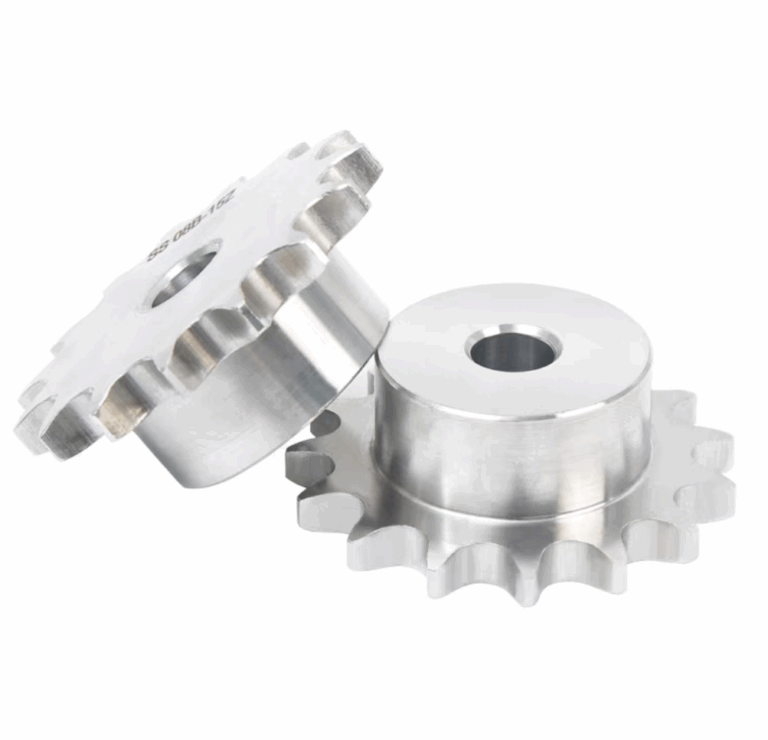
Brass has a unique alloy composition, primarily copper and zinc, which makes it a great material for a wide range of industries. Since the composition of brass can vary greatly to produce different types of brass with specific strength, ductility, and corrosion resistance requirements, brass is used in electrical applications because it conducts heat and electricity well, is aesthetically pleasing, and resists rusting. Additionally, the addition of other metals such as lead or tin makes it easier to machine and wear-resistant, making it ideal for parts that require precision and durability, such as gears and fittings. Therefore, these inherent properties of the metal, coupled with its flexibility, make it an important material in engineering, manufacturing, and artistic works.
Plumbing and Heating
Brass is often the material of choice for plumbing fittings, valves, and faucets due to its excellent corrosion resistance and durability. Water systems use dezincification-resistant brass to help extend service life by preventing leaks and failures. Heating systems also utilize brass components to take advantage of the metal’s thermal conductivity, such as radiators and heat exchangers.
Electrical components
Brass’s good electrical conductivity and corrosion resistance have led to the material being used in connectors, terminals, and electrical accessories. Brass electrical components are often praised for their reliability and durability, allowing them to perform consistently in a variety of environments. Brass’s ease of machining also allows it to be precisely manufactured into small, complex electrical parts.
Marine Hardware
Marine hardware, such as propellers, bearings, and fittings, is made from brass due to its corrosion resistance. In a marine environment, exposure to salt water and moisture is constant, and therefore, components need to maintain their integrity and performance. This makes brass an important material in the construction and maintenance of many ships and other vessels.
Architectural elements
You’ll find brass in many architectural elements, such as doorknobs, railings, and trim. Its combination of corrosion resistance and aesthetics makes it a top choice for applications inside and outside buildings. Brass parts can be polished for a high shine or given a patina for a more antique look.
Industrial Applications
Brass is used in industrial settings to make bushings, bearings, gears, and other mechanical components. Due to their excellent wear resistance and machinability, they are suitable for any part that requires frequent movement and high precision. In addition, their ability to withstand extreme temperatures and pressures is also excellent.
Brass’s unique combination of properties, such as strength, corrosion resistance, aesthetic appeal, and ease of processing, makes it indispensable in everything from architecture to musical instruments. By understanding the different types of brass and their applications, manufacturers and designers can make informed decisions, optimizing the performance, durability, and cost-effectiveness of their projects.
For those looking to incorporate brass into their designs or applications, consulting with an experienced supplier will ensure that all specifications are met, resulting in the best possible outcome for your project. Whether you work in the fields of architecture, electronics, or art, brass offers practical and aesthetically pleasing solutions, proving its enduring value in modern manufacturing and design. DMTC is familiar with the characteristics and applications of various brass alloys. If you have any needs in this regard, please feel free to consult us: susan.yuszdmtc.com