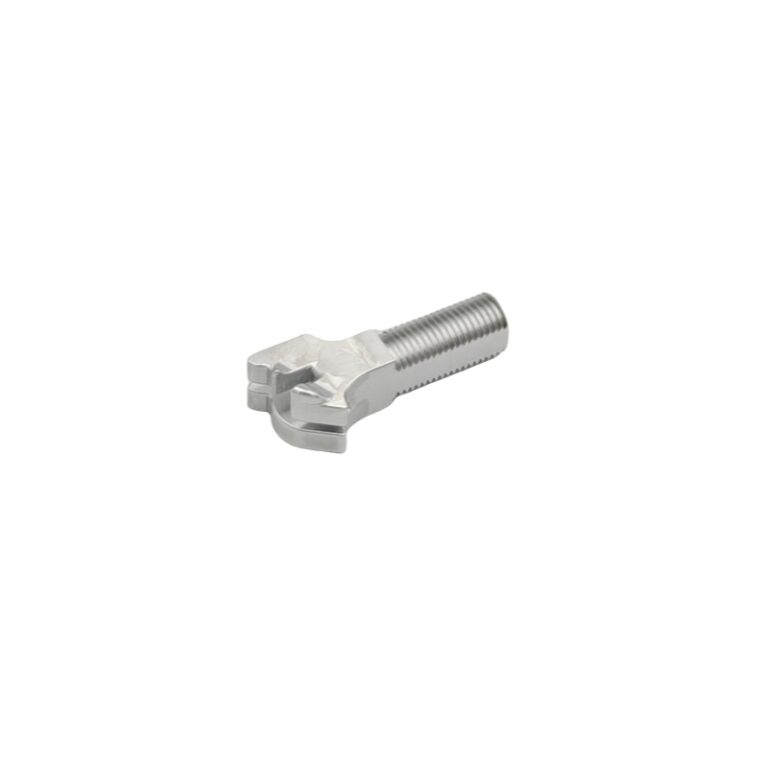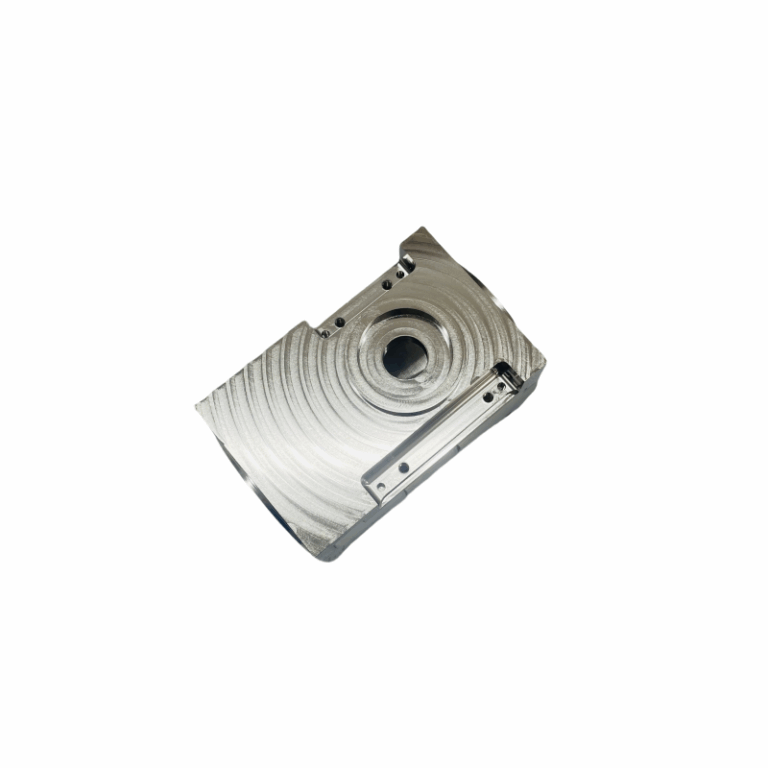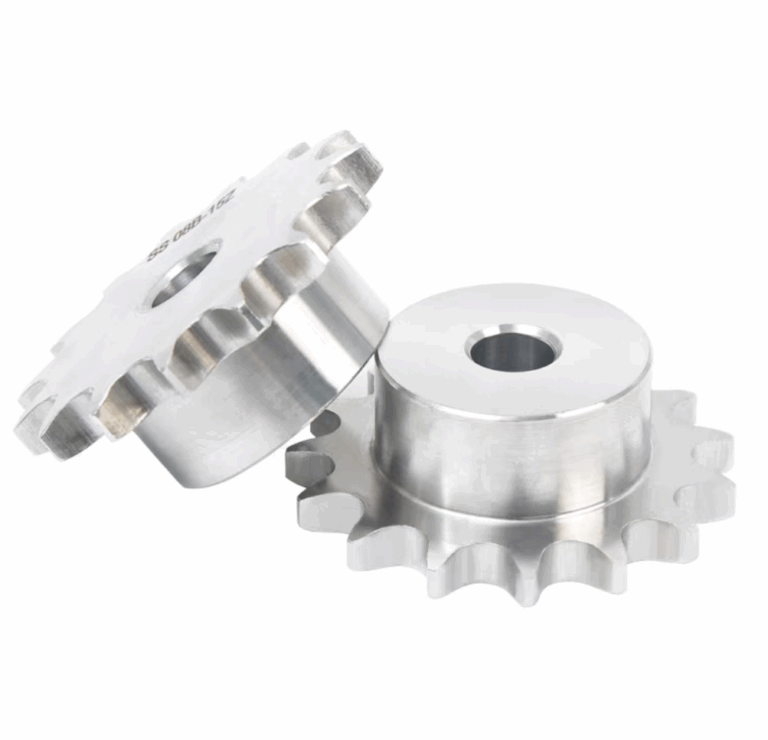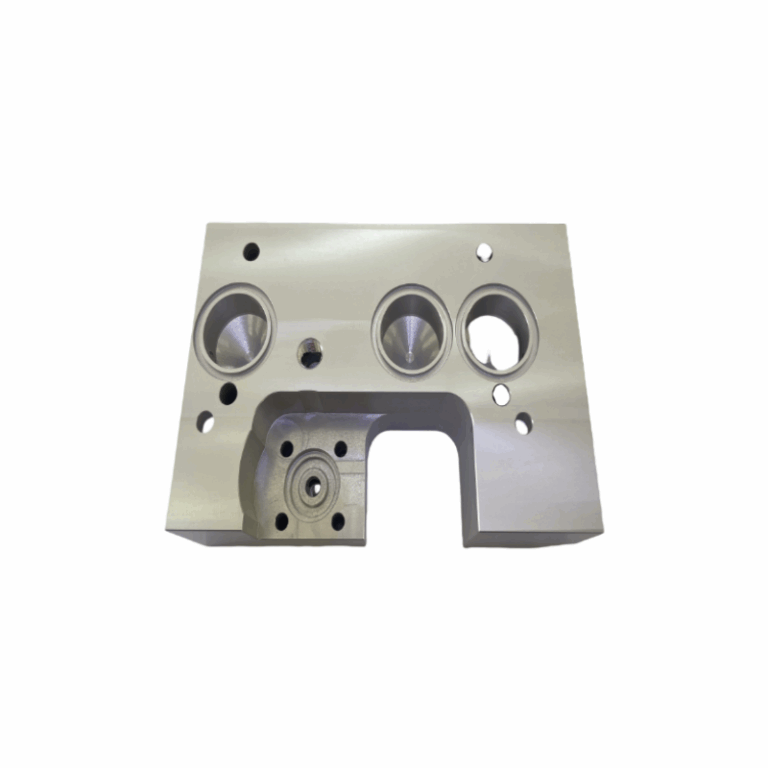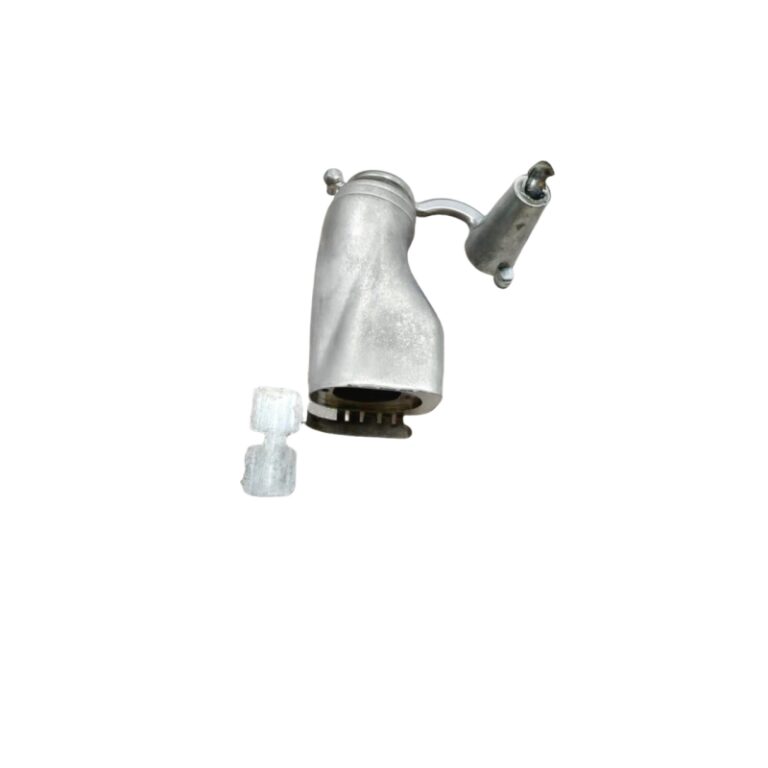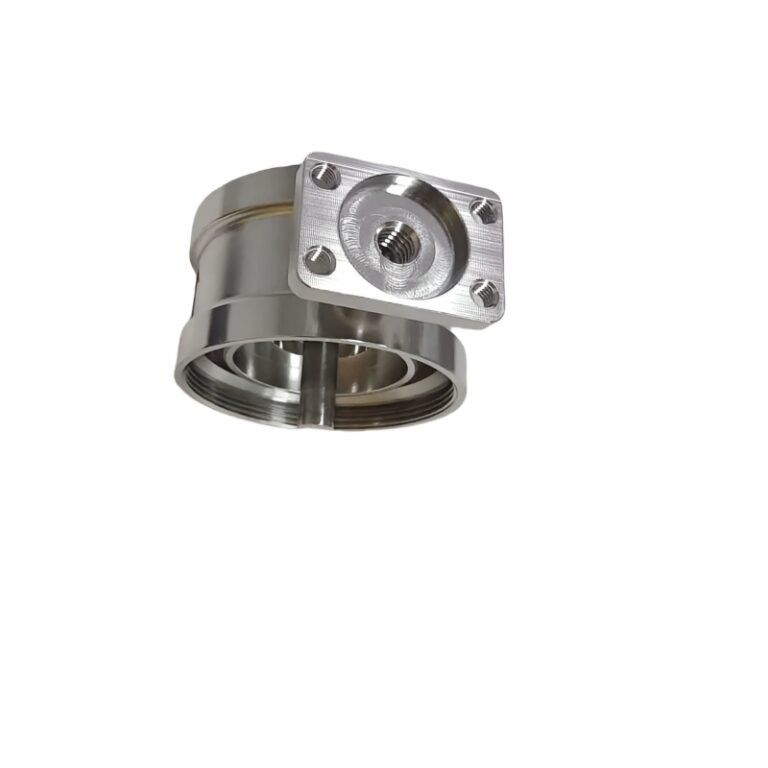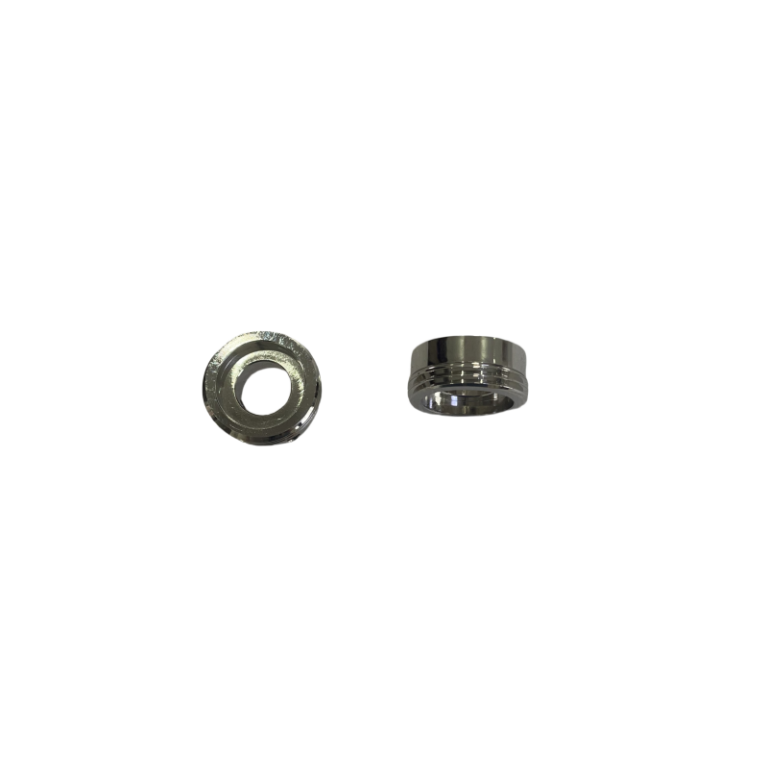
Steel, the backbone of modern construction and manufacturing, comes in various compositions, each tailored for a specific application. 4140 alloy steel, or AISI 4140 steel, is a common industrial steel. It is a low-alloy steel mainly composed of chromium, molybdenum, and manganese, with high strength, hardness, and good wear resistance.
The chemical composition of 4140 alloy steel includes Cr, Mo, Mn, Si, Fe, and other elements. Cr and Mo are the main alloying elements, accounting for 0.8-1.1% and 0.15-0.25% of the total composition respectively. The addition of these elements gives 4140 steel excellent mechanical properties such as high yield strength, elongation, and impact toughness. In addition, due to the addition of an appropriate amount of carbon element, this steel has high surface hardness and strong wear resistance and can be used to manufacture high-speed moving mechanical parts, such as bearings, bushings, piston pins, etc.

Chemical Composition of Steel 4140
The specific combination of elements in 4140 gives it unique properties.
| Element | Content(%) | Function |
| Carbon (C) | 0.38-0.43 | Increases hardness and tensile strength |
| Chromium (Cr) | 0.80-1.10 | Improves hardness, wear resistance and corrosion resistance. |
| Molybdenum (Mo) | 0.15-0.25 | Enhances heat resistance |
| Manganese (Mn) | 0.75-1.00 | Improves toughness and hardenability |
| Silicon (Si) | 0.15-0.35 | Improves strength and elasticity. |
CNC Machining Performance of Steel 4140
In industrial applications, the ease with which a material can be machined determines productivity, quality of the finished product, and tool wear rate. Steel 4140 has moderate machinability, making it more difficult to machine than mild steels but easier than high alloy steels. Its toughness and strength can result in severe tool wear, especially in the hardened state.
Here are some additional machining tips:
- Cutting Speed: Use lower cutting speeds to reduce heat generation and tool wear. For annealed AISI 4140, a speed between 200-300 SFM (surface feet per minute) is recommended. For hardened materials, this speed should be reduced to 50-100 SFM.
- Feed rate: Maintain a balanced feed rate to avoid chatter and tool overheating. For roughing, feed 0.2-0.3 mm/rev, and reduce to 0.05-0.1 mm/rev for finishing.
- Depth of cutting: Choose a smaller depth (1-3 mm) to maintain accuracy during finishing.
Tool material recommendations
Selecting the right tool material is essential for efficient machining of steel 4140:
- Carbide tools: Preferred for their hardness and heat resistance.
- Cermet tools: Ideal for achieving a high surface finish.
- HSS tools: Suitable for lower speeds on softer, annealed steel 4140.
Cooling recommendations
When machining steel 4140, efficient heat dissipation is essential:
- Flood coolant: Ideal for roughing operations.
- Mist coolant: Facilitates high-speed finishing.
- Compressed air: Prevents chips from redepositing on the workpiece.

Why is 4140 steel ideal for CNC machining?
What makes 4140 steel so attractive is its versatility. It can be heat treated to enhance specific properties, such as hardness or toughness, while still being relatively easy to machine in the annealed state. Its unique composition and mechanical properties allow it to handle high-stress environments while maintaining its durability. It offers a perfect balance between processability and performance.
Advantages of CNC machining 4140 steel:
- High dimensional stability: 4140 steel retains its shape during processing, even at high temperatures. This makes it ideal for precision parts.
- Good Machinability: Despite its high strength, 4140 steel is relatively easy to machine in the annealed condition, allowing for efficient manufacturing.
- Versatile: Can be heat treated to meet specific project requirements, such as increasing hardness or strength.
- Wear resistance: The durability of this steel ensures long component life in high-stress environments.
The Application of 4140 steel in various industries
4140 Steel’s combination of strength, toughness, and machinability makes it an indispensable material in many industries. From automotive parts to energy industry tools, its applications are wide-ranging and demanding.
Automotive Industry
- Gearbox: Steel 4140’s wear resistance ensures long-lasting gear performance under high stress.
- Knuckle: High toughness ensures reliability under shock loads.
- Axle: Combination of strength and fatigue resistance for demanding applications.
Oil and Gas Industry
- Drill collars: withstand extreme pressure and high torsional forces in drilling operations.
- Valve components: excellent wear and corrosion resistance can extend service life in harsh environments.
- Pipelines: flanges and couplings used in oil transportation.
Mould fabrication
- Molding: Serves as a durable substrate for injection molds.
- Tooling: Provides the toughness required for high-pressure forging operations.
Aerospace Industry
- Landing Gear: Combines strength and ductility to withstand repeated loading and unloading cycles.
- Fasteners: Maintain mechanical integrity under high loads and temperature fluctuations.
Challenges and Solutions in CNC Machining of 4140 Steel
| Challenges | Description | Solutions |
| Tool wear | Hardened 4140 steel wears out cutting tools quickly. Without the right tools, productivity suffers. | Use carbide or coated tools |
| calorification | High-speed machining generates a lot of heat, which affects tool life and part accuracy | Use high quality coolant and lower speeds. |
| Dimensional accuracy | After machining, heat-treated 4140 steel may deform, especially in components that require tight tolerances. | Rough machining is performed before heat treatment, and fine machining is performed after heat treatment. |
The Key Considerations for Selecting CNC Machining Steel 4140 Services:
1. 4140 Steel Expertise
CNC machinists who have experience working with 4140 steel will be better equipped to handle its unique challenges, from tooling to post-processing.
2. Tooling Capabilities
Make sure the service provider uses carbide tools and can adjust machining parameters for different tempers of 4140 steel.
3. Precision and Tolerance
Check the supplier’s ability to achieve tight tolerances, especially for heat-treated parts.
4. Turnaround Time
Look for a service that balances speed and quality. This is critical in industries such as automotive and aerospace, where time to market is critical.
DMTC uses state-of-the-art machinery and tools capable of machining 4140 steel. We ensure precision in every cut, drill, and weld, making the parts that are both functional and durable. DMTC understands that each customer has unique needs and we provide tailor-made solutions. Whether it is a specific design, surface finish, or tight tolerance, we will help customers’ ideas into reality.